




The American Genetic Association Presidential Symposium is in October!
We would love to see you there! Our President, Michael Nachman, has invited an awesome lineup of presenters!
Here are the details:
Conference package includes all meals, talks, and events at Granlibakken resort.
For regular registration go HERE – For student/Postdoc registration go HERE
Contributed talks & posters: submit title and abstract (250 word limit) HERE by Sept. 1, 2026
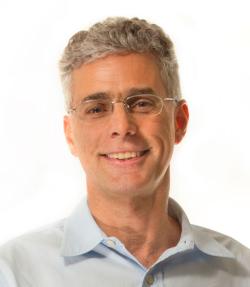 Introduction: Michael Nachman, UC Berkeley
Research in the Nachman lab addresses a range of basic questions in population, evolutionary, and ecological genetics and genomics. Most work is on mammals with particular emphasis on house mice. The Nachman Lab is broadly interested in the genetic basis of evolutionary change, including the genetics of adaptation and the genetic basis of speciation. For example, they are interested in uncovering signatures of selection in patterns of DNA sequence variation across the genome and in linking specific genetic changes to specific adaptive phenotypes. They are also interested in the genetic basis of reproductive isolation between populations and closely related species that hybridize in nature. Their research utilizes a wide range of methods and approaches including field studies, genetic crosses in the laboratory, tools of molecular biology, genomics, and computational analyses of large datasets.
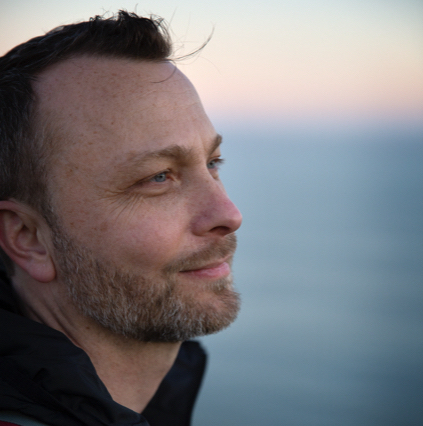 Keynote Speaker: Rasmus Nielsen, UC Berkeley
Rasmus Nielsen is an evolutionary biologist and geneticist whose research investigates human evolution, population genetics, and statistical genomics. He is best known for developing computational methods to detect natural selection in genomes and for his discoveries on human adaptation to high-altitude environments and ancient interbreeding with Neanderthals and Denisovans. Nielsen’s research integrates evolutionary theory, bioinformatics, and molecular biology to uncover the genetic basis of adaptation and diversity across species. His work has transformed our understanding of human evolution and evolutionary genomics.
Invited Speakers
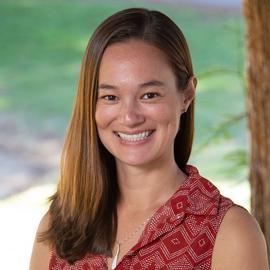 Rachael Bay, UC Davis
Work in the Bay Lab combines genomic tools with physiological experiments, ecological observations, and large-scale environmental data to learn about how organisms exist in a range of environments and understand how anthropogenic changes in the environment impact individuals, populations, and species. The Bay Lab works in a diverse range of systems, from coral reefs to migratory birds. Some of the main research themes include:
- The role of phenotypic plasticity in environmental response
- Adaptation across environmental gradients
- Evolutionary dynamics of species range shifts
- Predicting evolutionary responses to climate change
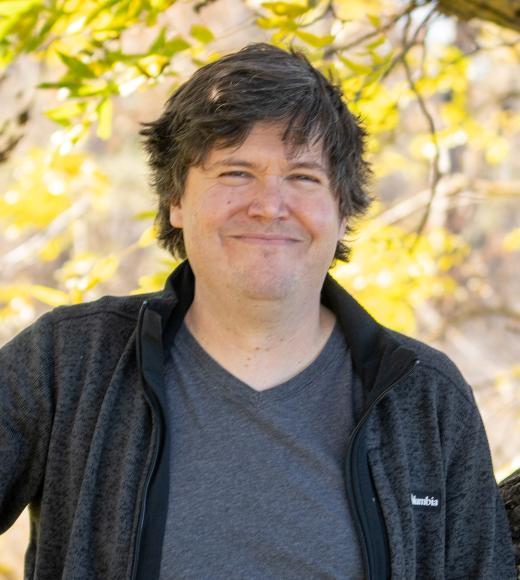 Graham Coop, UC Davis
Graham Cook is an evolutionary geneticist focusing on the processes that shape genetic variation within and between populations. His research integrates theoretical, computational, and empirical approaches to study natural selection, genetic drift, and gene flow. He aims to understand how evolutionary forces contribute to genetic diversity and adaptation in humans and other organisms. His contributions provide crucial insights into evolutionary biology, enhancing our understanding of genetic variation and its implications for health and disease.
 Jeff Good (incoming AGA President), University of Montana
Research in the Good Lab combines population and functional genomics to understand how natural selection shapes adaptation and speciation. Current projects include:
- Development, sex chromosomes, and speciation
- Adaptation to changing environments
- Hybridization and ecological speciation
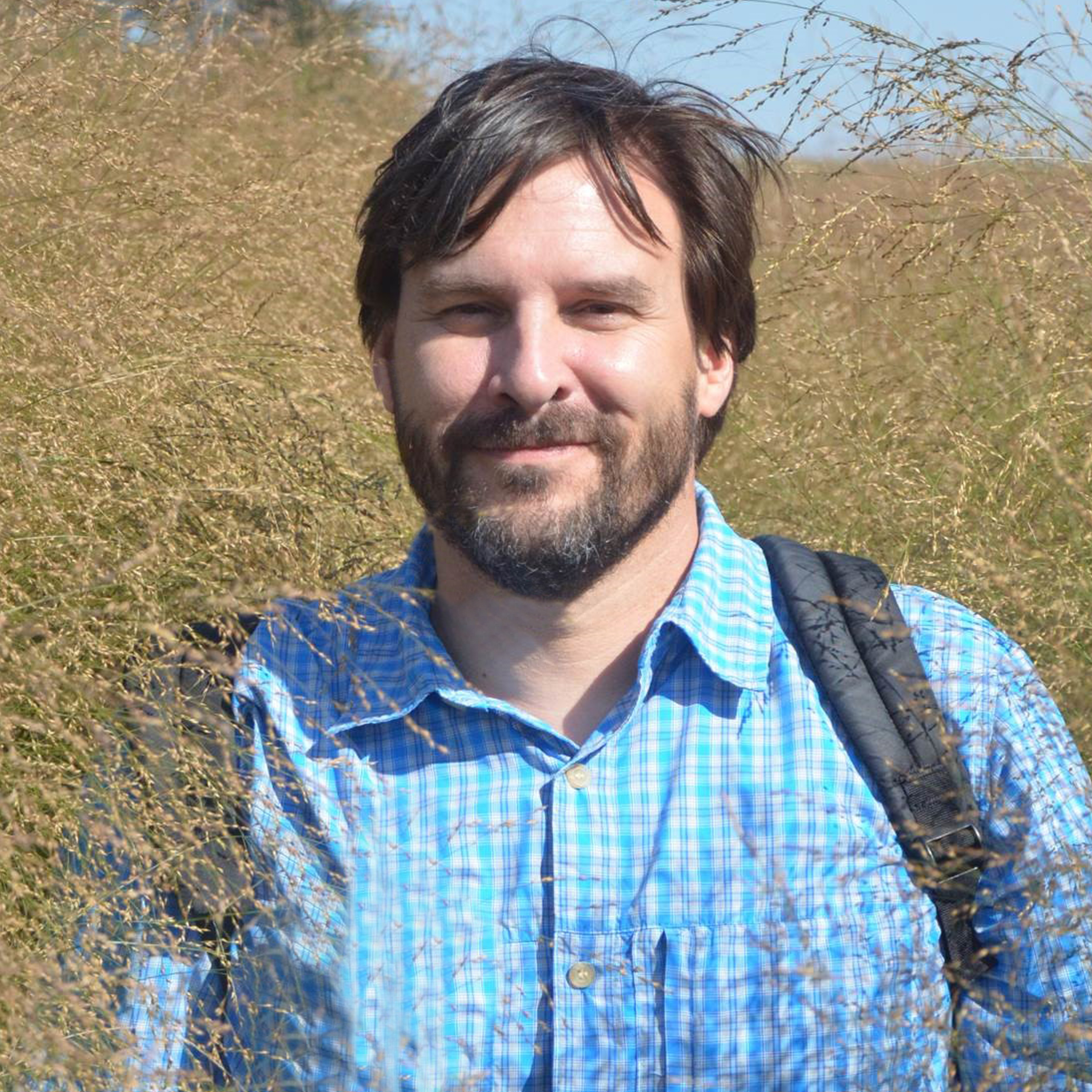 Thomas Juenger, University of Texas
Thomas Juenger’s research focuses on the interface of ecological and evolutionary processes in natural plant populations. He is generally interested in phenotypic evolution, and has studied a number of systems over the course of his career. A current focus in the lab is the identification and characterization of genes underlying variation in drought adaptation among Arabidopsis thaliana ecotypes collected from around the world. This work is motivated by a desire to understand how climate and habitat variation have influenced the evolution of plant physiology. In addition, the lab has long-standing interests in the ecology and evolution of plant-animal interactions. Most recently, they initiated studies of physiology and genomics in biofuel crops, including switchgrass (Panicum) and false brome (Brachypodium). A common theme of their work is the interplay of genetic and functional studies. Their approach usually couples quantitative genetic experiments [classic breeding designs & QTL/LD mapping], population genetic approaches, and selection analyses in studies of natural genetic variation. Ultimately, they’d like to understand the forces shaping patterns of genetic variability in natural populations across a variety of selective regimes.
 Joanna Kelley, UC Santa Cruz
The Kelley Lab focuses on evolutionary and functional genomics and adaptation to extreme environments. They are interested in understanding biodiversity, specifically through how populations diverge and adapt to the environments they encounter. To identify and characterize specific genes and pathways that underlie adaptive change, they combine statistical and genomic approaches with knowledge from organismal and ecological studies. They study the genomic bases of physiological adaptations in vertebrates in extreme environments, such as hydrogen sulfide-rich and polar environments. They leverage natural systems to gain insight into basic biological processes, which has profound implications for our understanding of human health and disease.
John Kelly, University of Kansas
The Kelly lab uses a mixture of classical techniques (e.g. controlled crosses, inbreeding, and artificial selection), along with modern molecular approaches (e.g. QTL mapping). Principle questions are: (1) How do mutation, migration, genetic drift and natural selection interact to maintain genetic variation in nature? (2) What is the genetic architecture of variation in ecologically important traits such as flower size and pollen viability? (3) How does non-random mating, particularly the tendency of many plant species to self-fertilize, affect evolutionary change? and (4) Do genetic ‘complexities’ such as pleiotropy and epistasis qualitatively alter the evolutionary process? A secondary interest in the Kelly laboratory is gene sequence evolution, with a particular focus on viral pathogens. Many viral pathogens, including the Human Immunodeficiency Virus (HIV), undergo extensive genetic evolution within a single host. Elucidating the causes and consequences of these genetic changes for disease transmission and pathogenesis is a major challenge for both evolutionary biology and epidemiology.
 Sarah Kocher, UC Berkeley
The Kocher Lab is interested in understanding how and why social behavior evolves. They study systems that have extensive variation in social behavior, and integrate complementary approaches from evolutionary and population genomics, neurobiology, and field ecology to understand how genes and ecology interact to shape social traits.
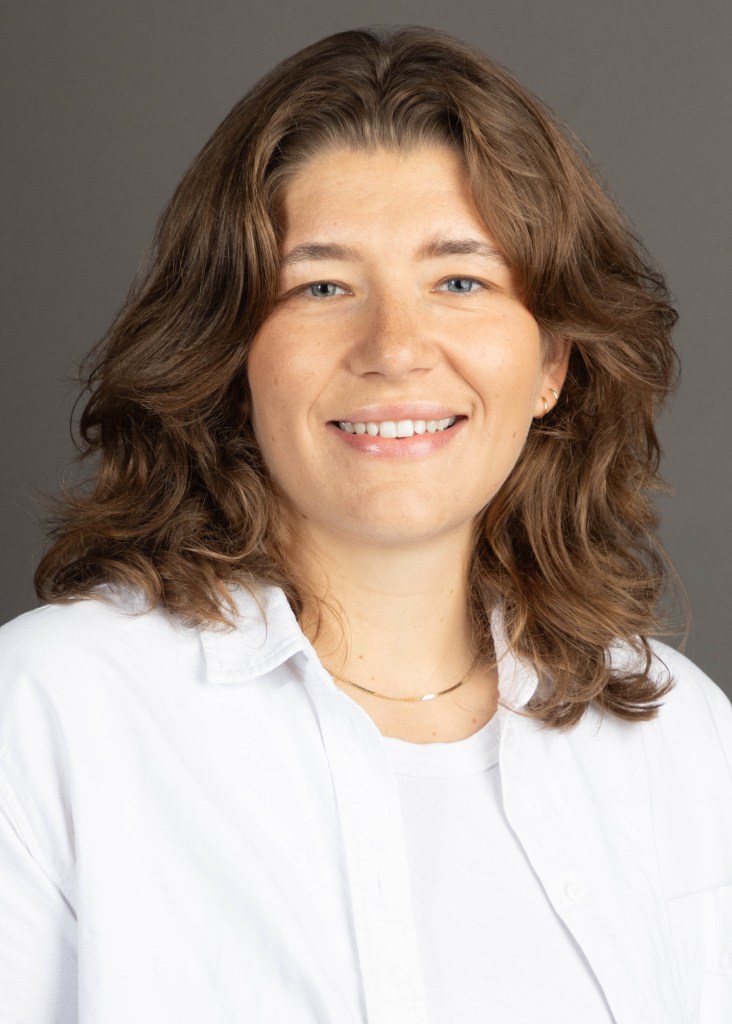 Julia Kreiner, University of Chicago
The Kreiner lab uses population genomics to dissect the nature and architecture of adaptive variation across contemporary landscapes. They combine spatiotemporal sampling (contemporary, historical, and ancient) with large-scale sequencing and experiments to reconstruct evolution in systems of pressing importance—from agricultural pests to species at risk. Major questions include:
- What is the genetic architecture of adaptive variation?
- What limits the tempo of adaptation?
- How do differences among population and species (e.g. mating system, ploidy, dispersal mode) influence the nature of responses to environmental change?
Katie Lotterhos, Northeastern University
Work in the Lotterhos lab seeks to understand how climate has shaped marine biodiversity and how a now rapidly changing climate will affect biodiversity in the future. This is a challenging goal, since biodiversity is shaped by a complex web of ecological and evolutionary processes that make natural populations hard to predict. To better describe complex marine systems and improve predicability, their research uses theory and experiment to inform each other and develops novel statistical methodology to integrate data across biological, spatial, and temporal scales. Conceptually, they are interested in how feedbacks between ecological (from abiotic to biotic interactions) and molecular processes (from DNA sequence evolution to expression and epigenetic modifications) can lead to rapid evolutionary change that in turn affects how species interact with their environment. They are interested in central problems in marine systems such as the influence of environment on dispersal, recruitment, and local adaptation – but they also study broader problems in molecular ecology such as the inference of loci under selection from genome scans. To address these pressing issues in biological science, they use a combination of field surveys, experiments, mathematical modeling, genomics, and bioinformatics.
 Bret Payseur, University of Wisconsin
Bret Payseur uses genetics and genomics to understand mechanisms of evolution. Payseur and his students are discovering how organisms adapt to new environments, how meiotic recombination evolves, and how one species becomes two – all from a genetic perspective. Payseur’s research focuses on natural variation in a powerful genetic model organism, the house mouse.
 Dmitri Petrov, Stanford University
The Petrov Lab is a group of biologists, physicists, and mathematicians who use cutting-edge technologies to study evolutionary adaptation. Over the past 10 years the lab has shifted largely to the study of rapid evolution, primarily in large populations where adaptation is not limited by mutation – either because de novo mutation arises commonly in the population or the standing variation is abundant. The two key research directions in the lab are:
- Empirical studies of rapid evolution in real time
- Inference of evolutionary forces and causes of evolution from static genomic data.
These directions are distinct but they are in conversation with one another. Indeed, ultimately we must build a theory of adaptation that can naturally accommodate observations of the long-term evolutionary patterns evident in genomic data as well as the directly observable short-term dynamics of evolution.
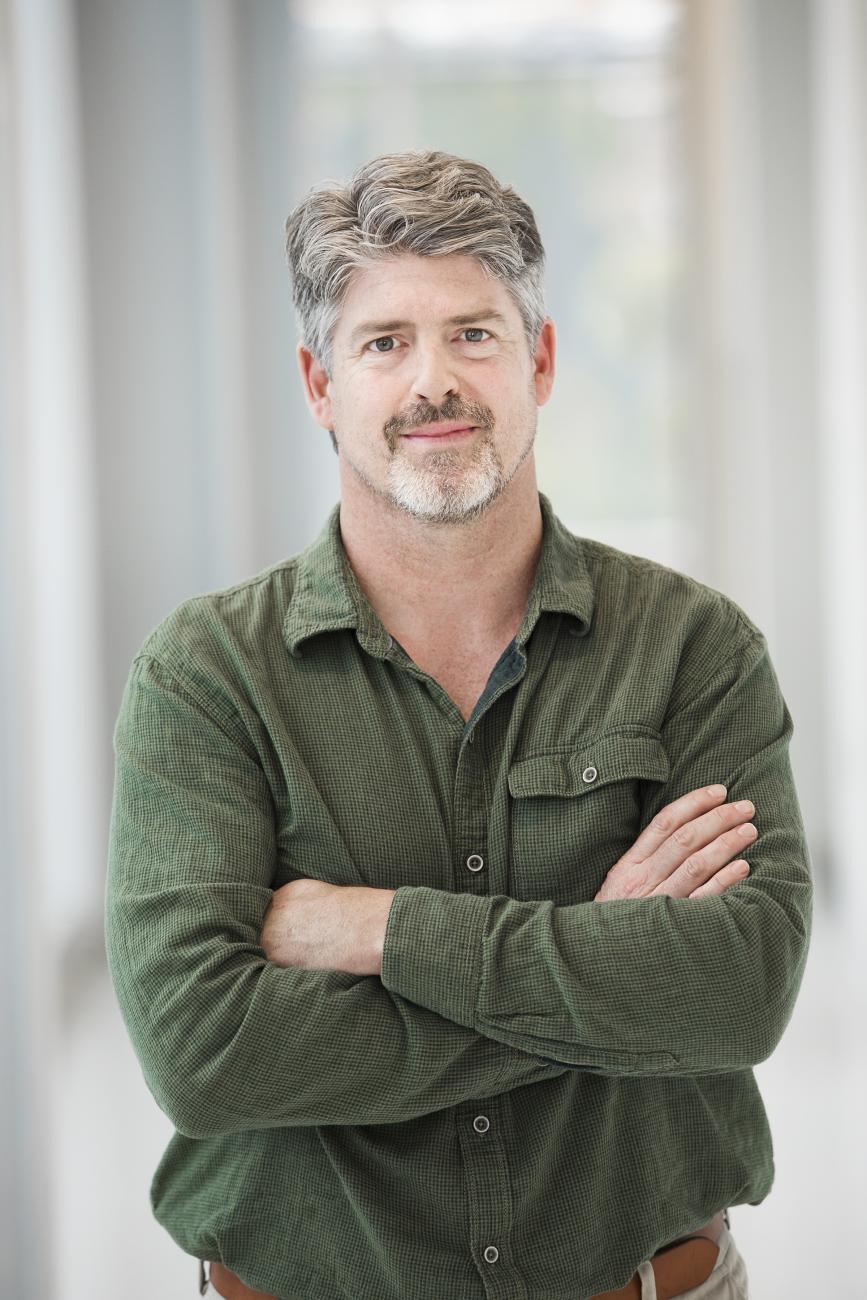 Paul Schmidt, University of Pennsylvania
As a research group, they are broadly interested in the ecological and evolutionary dynamics of populations that experience environmental heterogeneity over various spatial and temporal scales. They seek to understand mechanistically how natural selection works in heterogeneous environments, the context dependency and many constraints on this process, and how this ultimately produces an adaptive response. Their research combines extensive sampling of natural populations and –omics level characterizations, laboratory-based classical and molecular genetics, and experimentation conducted in both the field and laboratory. Much of their work is centered on testing the functional significance of identified molecular polymorphism: establishing concrete links between allelic variation, physiologically mediated performance, and the differential fitness of genotypes among environments. Currently their work focuses on Drosophila. While Drosophila has long been a model system in biology, it remains underutilized in ecological genetics; very little is known about its natural history, basic ecology, and evolutionary dynamics outside the laboratory.
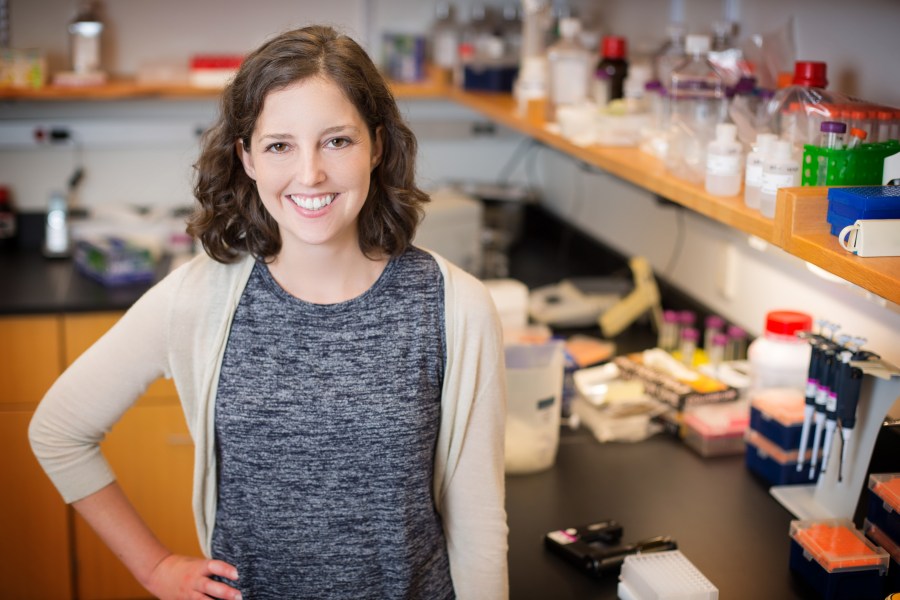 Molly Schumer, Stanford University
The Schumer Lab aims to understand evolutionary processes at the molecular level. They are particularly focused on studies that link genetic mechanisms to evolution in natural populations. Current research in the lab explores the genetic basis of adaptation, mechanisms of genome evolution, and consequences of hybridization. They combine experimental, genomic, and field-based approaches to tackle these questions and bridge the gap between molecular mechanism and evolution in nature.
 Guy Sella, Columbia University
The Sella Lab studies the evolutionary processes that give rise to genetic and phenotypic differences between individuals, populations and closely related species. Specifically, they use mathematical models to better understand these processes, and statistical analyses to identify their footprints in data and make inferences about them. Their current work focuses primarily on the evolutionary causes of adaptation and disease, but they also study a variety of other topics.
 Jenny Tung, Max Planck Institute Leipzig
Jenny Tung is the Director of the Department of Primate Behavior and Evolution at the Max Planck Institute for Evolutionary Anthropology, a Visiting Professor of Evolutionary Anthropology and Biology at Duke University, and an Honorary Professor in the Faculty of Life Sciences at Leipzig University. Jenny joined Duke University in 2012 after completing her post-doctoral training in the University of Chicago Department of Human Genetics and her PhD training in the Duke Biology department. She founded the Department of Primate Behavior and Evolution at MPI-EVA in 2022. Research in the department focuses on the intersection between behavior, social structure, and genes. Jenny’s lab is particularly interested in how the social environment influences gene regulation, population genetic structure, and health and survival across the life course. The lab primarily pursues these questions in nonhuman primates and other social mammals, both wild and captive.
 Patricia Wittkopp, University of Michigan
Research in the Wittkopp Lab investigates the genetic basis of phenotypic evolution. The evolution of development, especially mechanisms controlling gene regulation, are of particular interest. Molecular and developmental biology, population and quantitative genetics, genomics and bioinformatics are all integrated in this work.
Sam Yeaman, University of Calgary
 To contend with highly variable environments, organisms have evolved a wide range of traits and behaviours as adaptations to their environment. From armour plating in stickleback to trade-offs between growth rate and cold tolerance in lodgepole pine, organisms have found many different genetic solutions to the challenge of existing in their environment. In the Yeaman Lab, they study a range of questions asking how such complex adaptations evolve:
- How is the genetic basis of local adaptation shaped by the interplay between natural selection and dispersal?
- Does the architecture of genome evolve to facilitate further adaptation?
- How can we use genomic technologies and bioinformatics to study adaptation?
- How do organisms adapt to rapidly changing environments?
 Jianzhi Zhang, University of Michigan
The Zhang lab is most interested in the relative roles of chance and necessity in evolution. There are two major research areas.
I. Yeast as an experimental system for studying evolution
They are using the budding yeast Saccharomyces cerevisiae and its relatives as model organisms to understand a variety of evolutionary processes, including questions about (i) the rate, molecular spectrum, and fitness effect of mutation, (ii) epistasis and fitness landscapes, (iii) pleiotropy and evolutionary impacts, (iv) gene expression evolution, (v) genomic basis of adaptation, and (vi) experimental speciation. Commonly used approaches include experimental evolution, mutation accumulation, genome and transcriptome sequencing, and genome editing.
II. Computational evolutionary genomics
Using evolutionary, genomic, and/or systemic approaches, they analyze publicly available data to characterize and understand plasticity, pleiotropy, epistasis, gene expression and expression noise, post-transcriptional modification, convergent evolution, natural and sexual selection, human phenotypic variation and evolution, and other important genetic and evolutionary phenomena. They are not limited in the study organism in this line of research, but most often analyze functional genomic data from humans and yeasts.