




The genomic bases, or architectures, of complex traits are… complex. But what if by overestimating the complexity of some aspects of the genomic architecture of a trait, we’re actually underestimating the complexity of its evolutionary dynamics? This notion struck me when two things clicked while I was preparing a fellowship application back in 2017. First, […]
Category: Blogging
A horse of a different color patterning mutation
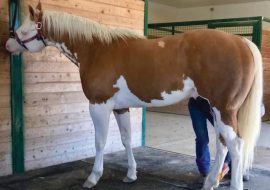
Connecting genotypes to the complex phenotypes they produce is a fundamental goal of genetics. Variation in coat color pigmentation, partly due to the relative ease at which different patterns can be identified, is one of the best-characterized traits at the genetic level, with examples from sheep (Zhang et al., 2017), cattle (Li et al., 2016), […]
Is European bison really back?
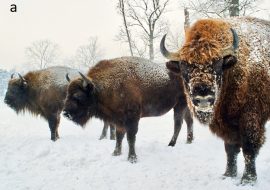
Humans constantly interact with their environment. They modify habitats, transfer species from one place to another, domesticate some species while contributing to the extinction of others. To reverse the process of extinction, we’ve been reintroducing taxa since the 1800s. Reintroduction refers to the action of establishing self-sustaining and healthy populations of extinct or critically endangered […]
To band or not to band: what drives the expression of fashion accessories in female pipefish?
“Tale as old as time. Female chooses male. Male is large in size. Male has weaponry. Unsurprisingly! Male’s ornamentation. Male’s behavior. Female makes the eggs. Takes care of the young. Male and female roles.”1 But not all the time! 1Adapted from Disney’s “Beauty and the Beast” written by Howard Ashman As the female is usually […]
Studying the genetics of migration using hybrids from a migratory divide
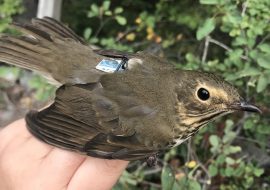
Every spring, nature enthusiasts are excited for another bird migration made evident by the countless posts on social media noting rare warblers spotted in backyards and high species counts on birding trips. And the excitement is warranted, as migration is an amazing feat, both ubiquitous and complex, requiring coordination of numerous adaptations for the birds […]
What happens when hunting history, whale culture, genetics, and an international collaboration work towards a common goal?
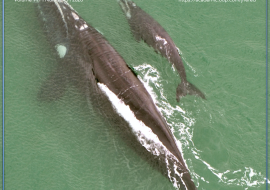
Right whales were given their name because they were the rightwhales to hunt: they swim slowly near the ocean’s surface and make predictable annual migrations to easily accessible bays along the coast. They were hunted to near extinction before international protections were enacted in 1935. As the species recovered, researchers have acquired a myriad of […]
Surviving cyanide – one path or many?
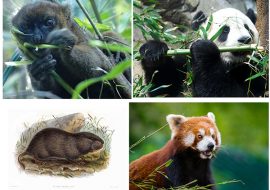
Cyanide is deadly – to most things. In high enough doses it blocks the body’s ability to create energy by interrupting cellular respiration. But even at non-lethal doses it has knock-on effects throughout the body. Despite this, a few mammals eat it regularly. In my last post, I described how I found multiple ways in […]
Surviving Cyanide – Part One
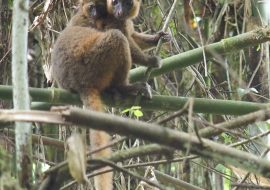
Eating is dangerous. Are you drinking a glass of wine? Perhaps planning pesto for dinner? The very flavors that attract us to those foods come from toxins plants produce to protect themselves. We humans know to the deadly ones. But imagine you’re a wild herbivore – every bite you take is a risk. Bamboos, and […]
Bioenergetic costs of asexuality – does the mitochondrion play a role in maintaining sex?
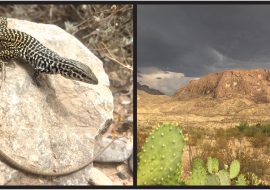
Among vertebrate animals, sexual reproduction is ubiquitous. But why? Asexual populations should outcompete their sexual neighbors (Maynard Smith, 1958).
Revealing ancient hybridization’s role in diversification
Hybridization between closely related species is a rapidly emerging field of interest for evolutionary biologists, and the more scientists look for signals of hybridization (with ever fancier tools), the more we learn that hybridization is the norm rather than the exception (Payseur & Rieseberg 2016). While young species pairs tend to hybridize more readily than […]